Ultimate Guide to Mountain Bike Helmets: How to Choose the Right One
Ultimate Guide to Mountain Bike Helmets: How to Choose the Right One
Alright, dirt warriors, let’s talk about the one thing standing between your brain and a really bad day: the mountain bike helmet. Sure, picking a helmet might not seem as exciting as choosing your next set of wheels, but trust us, your head will thank you when things get a little too wild on the trail.
With so many helmet types with different specs out there, it can feel overwhelming, but fear not! Whether you’re a casual cruiser or a downhill daredevil, this guide will help you navigate the world of mountain bike helmets.
Let’s dive headfirst – metaphorically, of course – into the different types of helmets that’ll keep your noggin safe while you tackle the trails like a boss!
Just so you know… This post contains affiliate links, we will receive a small commission for qualifying purchases that are made through our recommendations
Measure Your Head!
Before we even start discussing the options that are out there we should mention the most important factor in buying a helmet. If you get a helmet that is too big, it will move around on your head and won’t provide the correct protection in a crash. Get one too small and not only will it be very uncomfortable, it too will not provide the much needed protection.
How to measure
Place a flexible tape measure around the largest part of your head – usually around 2.5cm above your eyebrows. Ensure the tape is level from front to back. Take note of the size on the tape measure and compare against the size guide (N.B. Not all brands follow the same sizing on their products so be sure to check each brand)
Identify Your Riding style
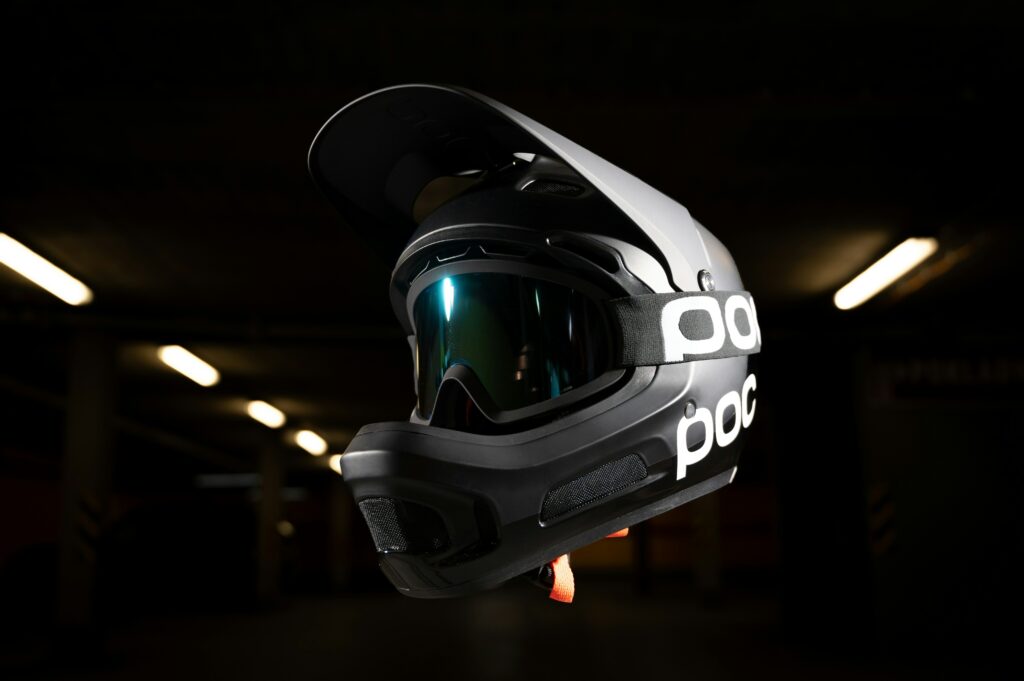
So, let’s talk about your riding style. Are you the type who likes to catch some air at the bike park? Or are you more of an XC rider, who enjoys long, grueling climbs? Whatever your vibe, there is a helmet suited to you. If you’re into bike parks, you’ll probably sway towards a full-face helmet. On the other hand, if you’re all about XC, you’ll need something lightweight and breezy so will be more suited to a half face.
Let’s look a bit more into the types of helmets available;
In the UK and EU, helmets must comply with the EN 1078 safety standard. This standard outlines the required testing procedures and performance criteria that helmets must meet, including key design features like minimum field of view, shock-absorbing capabilities, and the functionality of the retention system.
Any mountain bike helmet you choose should include MIPS technology (Multi-Directional Impact Protection System) or a comparable safety feature.
MIPS is designed to reduce rotational force to your head to protect you from injury.
Mountain bike helmets have come a long way, and nowadays, they’re packed with features designed to enhance safety, comfort, and performance. I personally love my Troy Lee Designs Stage which is ultra lightweight, Fidlock® magnetic buckle system and lots of ventilation.
Here are a some features you could consider for your next helmet;
Adjustable Fit System:A snug, comfortable fit is vital for both safety and comfort. Most MTB helmets come with an adjustable retention system, usually a dial at the back, allowing you to fine-tune the fit on the fly.
Visor: A built-in visor is a signature feature of MTB helmets, offering protection from the sun, rain, and debris. Many visors are adjustable or removable, so you can customise it based on your riding conditions.
Chin Straps & Buckles: Strong, adjustable chin straps and secure buckles are critical for keeping your helmet in place. Some models offer magnetic buckles for easy one-handed operation, even with gloves on.
Ventilation:Ventilation is key to keeping cool during long, intense rides. MTB helmets typically feature large vents to allow for maximum airflow, helping you stay comfortable even on the hottest days. Just remember the more protective the helmet, the less ventilation there would be.
Determine Your Budget
When it comes to buying a mountain bike helmet, your budget is a crucial factor. Helmets come in a wide range of prices ranging between £30 – £300 – from affordable entry-level options to premium models packed with advanced features. While you don’t need to break the bank, keep in mind that your helmet is a critical piece of safety gear. Spending a little more on a helmet that offers enhanced safety features—like MIPS or additional coverage—is a smart investment in your well-being. Ultimately, determining your budget for a mountain bike helmet depends on the type of riding you do, how often you ride, and your personal preferences for safety and comfort.
When To Replace Your Helmet
Knowing when to replace your helmet is critical to ensuring you’re fully protected on the trails. Here are the key indicators that it’s time for a new helmet:
After a Crash – Even if your helmet looks fine on the outside after a crash, it could be compromised internally. MTB helmets are designed to absorb impact in a crash, and once they’ve done their job, their protective structure may be weakened. If you’ve taken a hard fall, it’s safest to replace your helmet—even if the damage isn’t immediately visible.
Visible Damage – Any visible cracks, dents, or compressed foam in your helmet are clear signs it needs to be replaced. Even minor damage can reduce the helmet’s effectiveness in future impacts. Always inspect your helmet for signs of wear and tear, especially after rough rides or falls.
Worn-Out Fit System – The fit system, including the retention straps, buckles, and padding, can wear down over time. If your helmet no longer fits snugly or the straps are frayed, it’s time to consider replacing it. A helmet that doesn’t fit properly can’t provide adequate protection.
Age of Helmet – Helmet materials degrade over time, even if it hasn’t been involved in a crash. Most manufacturers recommend replacing your helmet every 3 to 5 years, depending on usage. Exposure to UV rays, sweat, and general wear can weaken the helmet’s structure over time. Check your manufacturer’s guidelines for specific replacement recommendations.
Conclusion
Join the Conversation
So, whether you’re navigating gnarly trails or just cruising down a forest path, your helmet is the silent hero keeping your noggin safe from unexpected encounters with rocks, trees, and the occasional overconfident jump.
If you are ready to shop around, check out our top picks and take on the trails with confidence. Just don’t forget to keep the shiny side up and the dirt side down!
We’d love to hear from you! If you have any questions about helmets let us know! Share your questions, thoughts and experiences in the comments below. Your insights could help fellow mountain bikers make an informed decision on their next purchase. Happy riding!
Affiliate Disclosure: This website endorses Launchyou.com (LY), should you purchase any LY educational products, we will receive a percentage of the sale for the referral. By clicking any affiliate links on this website you will not pay any more than if you were to purchase directly.